

Preorder, Wishlist, or Wait? How to Make the Right Call on Any Upcoming Game Release
The preorder trap is real, and most of us have fallen into it
You've seen the trailer, you're hyped, and the store page is right there. So you preorder. Then launch day arrives and the reviews roll in — and the game is... fine. Not bad, just not worth the $70 you already spent. Meanwhile, your friend who waited three weeks got it on sale and is having a great time.
This happens constantly. Not because gamers are impulsive (okay, sometimes), but because the gaming industry has made preordering feel like the default. It isn't. It's a decision — and like any decision, it's worth making deliberately.
Here's a framework that actually works, regardless of platform or genre.
When preordering genuinely makes sense
Preordering isn't always a mistake. There are specific situations where it's the smart move:
- You have a long, documented history with the series. If you've played every entry in a franchise and loved them, you already know what you're buying. The risk is low because you understand exactly what the developer delivers.
- Physical copies of niche titles sell out fast. For limited-print games — particularly on Nintendo Switch or from boutique publishers — preordering a physical copy is sometimes the only way to get one at retail price. Digital is always available, but physical copies of smaller titles can disappear.
- A preorder bonus genuinely matters to you. Occasionally the bonus is meaningful (in-game currency, a DLC pack, a physical item). If you were buying day one anyway and the bonus adds real value, preordering is fine. But never preorder just for a bonus you wouldn't otherwise care about.
Notice what's not on that list: hype, a good trailer, or the fear of missing out. Those are feelings, not reasons.
The wishlist is underrated
Most storefronts have a wishlist feature, and it's one of the most useful tools a gamer has — not just for gift ideas, but as a personal decision-making tool. Adding a game to your wishlist instead of your cart forces a cooling-off period.
A lot of games that felt urgent in March look very different in August. Some get patched into a much better state. Some drop in price faster than expected. Some turn out to have been overhyped, and you'll be glad you waited. The wishlist is where games go to prove they deserve your money.
For multiplatform releases especially, the wishlist period is where you figure out which version to buy. A game might launch on PS5 and PC simultaneously, but the PC version could have performance issues at launch that get patched later, or the console version might have platform-exclusive features worth paying for. Waiting even a week for early player reports can save you from buying the wrong version.
Which platform version should you buy?
For multiplatform games, this question matters more than most people think. A few honest guidelines:
- PC usually offers the best long-term value — mods, higher frame rates, sales on Steam and elsewhere — but it's also where launch-day technical problems show up most. If a game has a history of rough PC ports, wait for the patch notes.
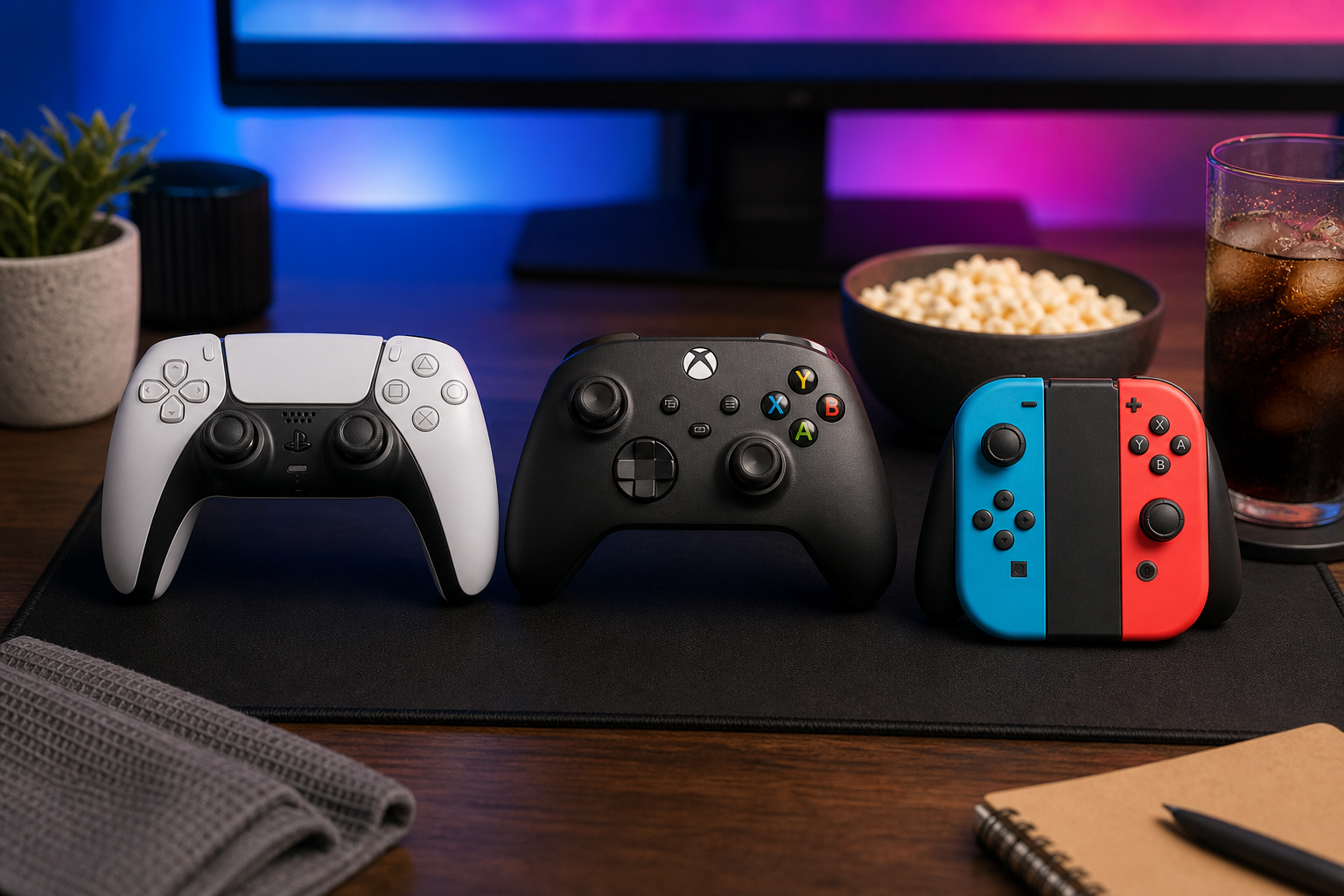
- PS5 and Xbox Series X tend to offer the most stable launch experiences for console-first or console-optimized titles. If you want to play something the week it comes out without troubleshooting, consoles are lower-risk.
- Nintendo Switch versions of multiplatform games are often technically compromised compared to other versions — lower resolution, reduced frame rate, longer load times. That trade-off is worth it if portability is the point; it's not worth it if you have another platform and just want the best version of the game.
- Xbox Game Pass changes the math entirely for Xbox and PC players. If a game is confirmed for Game Pass on day one, there's almost never a reason to buy it outright at launch.
When to wait — and how long
The "wait" category is bigger than people admit. Most games that aren't live-service titles see meaningful price drops within a few months of release. If a game isn't something you need to experience as part of a shared cultural moment — following along with the community, avoiding spoilers — waiting is almost always the financially smarter move.
A rough guide to how long to wait:
- Major AAA titles from big publishers: Price drops often come within three to six months, sometimes faster if reviews were mixed.
- Indie and mid-tier games: These frequently go on sale during seasonal sales events. Adding them to your wishlist on Steam or your console storefront means you'll get notified when the price drops.
- Live-service games: These are the exception where waiting can hurt you — seasonal content, battle passes, and community momentum matter. If you're going to play a live-service game, playing it during its active launch window is usually the best experience you'll get.
The one thing that genuinely justifies paying full price at launch for a single-player game is the spoiler risk. If a game has a story you care about and the internet is going to ruin it within 48 hours of release, that's a real cost worth factoring in.
A quick checklist before you hit "Buy"
- Have you watched gameplay footage, not just a cinematic trailer?
- Do you have a documented track record with this developer or series?
- Is it coming to a subscription service you already pay for?
- Is there a multiplatform version that better suits how you actually play?
- Would waiting 60 days meaningfully hurt your experience of this game?
If the answers don't clearly point to buying now, the wishlist is where it belongs — at least for a few days.
When you do decide a game is worth it, you can browse upcoming titles across PS5, Xbox, PC, Switch, and more at GameX24 — and check the full catalog to find what's in stock and ready to ship across the U.S.
The best gaming library isn't the one built fastest. It's the one where you actually played everything you bought.
Frequently Asked Questions
Is preordering a game ever worth it for the bonus content?
Sometimes — but only if you were already planning to buy the game on day one regardless of the bonus. Preorder bonuses are rarely substantial enough to change the buying decision on their own. If the bonus is cosmetic-only and you're on the fence about the game, it's not a good reason to commit early.
How do I know if a game is coming to Xbox Game Pass before I buy it?
Microsoft typically announces Game Pass additions a week or two before they go live, though day-one Game Pass titles from Xbox Game Studios are usually confirmed well in advance. Checking the official Xbox Game Pass page or community news sources before purchasing any first-party Xbox title is worth the two-minute search — it could save you the full retail price.
Are Nintendo Switch versions of multiplatform games worth buying?
It depends entirely on how you play. If portability is a priority — commuting, travel, playing in bed — the Switch version's trade-offs in resolution and frame rate are often acceptable. If you have a PS5, Xbox Series X, or a capable gaming PC and plan to play at home, those versions will almost always deliver a technically superior experience. The Switch version is a portability purchase, not a performance one.
How long should I wait before buying a game at a discount?
It varies by publisher and how well the game sold at launch, but many AAA titles see their first notable price drop within three to six months. Indie and mid-tier games tend to go on sale faster, especially during major seasonal sales. Adding a game to your wishlist on your platform's storefront is the easiest way to get notified automatically when the price drops.